Selecting the perfect paint tones for every room in your home can transform your living space into a cohesive and inviting environment. The right colors can influence mood, create a sense of harmony, and even make spaces feel larger or more intimate. Understanding how to choose the ideal palette for each room involves considering factors such as lighting, room function, and personal style. This exploration offers insights into creating a harmonious color scheme that enhances the aesthetic and functionality of your home.
Understanding Color Psychology
Color psychology plays a significant role in how paint tones can affect the ambiance of a room. Different colors evoke different emotions and can influence the mood of a space. For instance, blues and greens are often associated with calmness and tranquility, making them ideal for bedrooms and bathrooms. Warm colors like reds and oranges can energize a space, making them suitable for social areas like living rooms and dining rooms. Understanding the psychological effects of colors can guide you in selecting tones that align with the desired atmosphere of each room.
Considering Natural and Artificial Lighting
Lighting is a crucial factor when choosing paint tones, as it can dramatically alter the appearance of colors. Natural light varies throughout the day, affecting how colors are perceived. Rooms with ample natural light can handle darker or more saturated colors, while rooms with limited natural light may benefit from lighter tones to create a brighter atmosphere. Artificial lighting, including the type and placement of light fixtures, also impacts color perception. Testing paint samples under different lighting conditions can help ensure the chosen color complements the room's lighting.
Matching Paint Tones to Room Function
The function of a room should influence the choice of paint tones. For example, a home office might benefit from colors that promote focus and productivity, such as muted blues or greens. In contrast, a playroom could embrace vibrant and playful colors that stimulate creativity and energy. Kitchens often suit warm, inviting tones that encourage gathering and conversation, while bathrooms might use soothing colors to create a spa-like retreat. Aligning paint choices with the room's purpose enhances the overall experience and usability of the space.
Creating a Cohesive Color Scheme
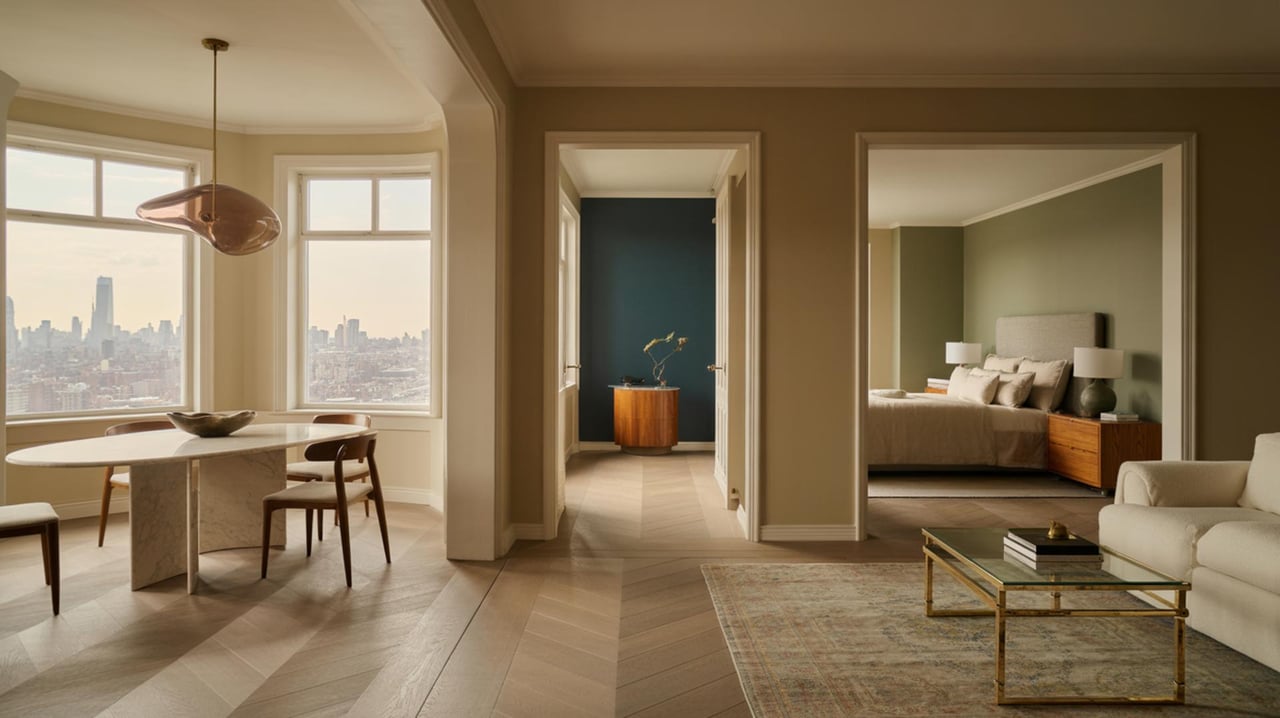
A cohesive color scheme throughout a home creates a sense of unity and flow. One approach is to select a base color and use variations of that hue in different rooms, incorporating accent colors to add interest. Alternatively, choosing complementary colors that work well together can achieve a harmonious look. It's essential to consider how colors transition from one room to another, especially in open-plan spaces where boundaries between areas are less defined. A well-thought-out color scheme ensures a seamless visual experience as you move through the home.
Using Accent Walls for Visual Interest
Accent walls are an effective way to introduce bold colors without overwhelming a space. By painting one wall in a contrasting or complementary color, you can create a focal point that adds depth and dimension to a room. This technique works well in living rooms, bedrooms, and even hallways. When selecting an accent wall color, consider the existing decor and furnishings to ensure the new color enhances the overall design. Accent walls offer flexibility, allowing for experimentation with bolder hues that might be too intense for an entire room.
Incorporating Trends and Timeless Classics
Balancing current color trends with timeless classics can result in a stylish yet enduring palette. While trends offer fresh and modern options, timeless colors provide a foundation that remains appealing over time. Neutral tones like whites, grays, and beiges are versatile and can be easily updated with accessories and accents. Incorporating trendy colors as accents or in smaller areas allows for easy updates as trends evolve. This approach ensures your home remains fashionable while maintaining a classic appeal.
Testing Paint Samples Before Committing
Testing paint samples is a crucial step in the selection process. Paint colors can look different in various lighting conditions and on different surfaces. Applying samples to the walls and observing them at different times of day helps determine how the color will appear in the actual space. It's advisable to test multiple shades of a color to find the perfect match. This hands-on approach minimizes the risk of disappointment and ensures satisfaction with the final result.
Considering the Impact of Texture and Finish
The texture and finish of paint can influence the overall look and feel of a room. Matte finishes offer a soft, sophisticated appearance, while glossy finishes reflect light and add a sense of luxury. Textured paints can add depth and interest, creating a unique visual effect. The choice of finish should complement the room's style and function. For example, high-traffic areas might benefit from durable, easy-to-clean finishes, while feature walls can embrace more decorative textures.
Balancing Personal Style with Practicality
While personal style is a significant factor in choosing paint tones, practicality should not be overlooked. Consider how colors will interact with existing furniture, flooring, and decor. It's important to select colors that not only reflect personal taste but also work well with the home's architectural features and design elements. Practical considerations, such as ease of maintenance and the ability to hide imperfections, should also be taken into account. Balancing personal preferences with practical needs ensures a satisfying and functional color scheme.
Seeking Professional Advice When Needed
For those uncertain about color choices, seeking professional advice can be beneficial. Interior designers and color consultants offer expertise in selecting paint tones that align with your vision and enhance your home's aesthetic. They can provide insights into color combinations, lighting considerations, and the latest trends. Professional guidance can streamline the decision-making process, ensuring a cohesive and visually appealing result. Engaging with experts can also introduce new ideas and perspectives, enriching the overall design experience.
Transform Your Home with the Perfect Palette
Choosing the right paint tones can truly transform every room in your home, creating spaces that reflect your style and personality. Whether you prefer calming neutrals or bold, vibrant colors, the perfect palette can make all the difference. If you're ready to explore the best paint options for your home, expert guidance can be invaluable. Reach out to Thomas Cahill for personalized advice and to make your home vision a reality.