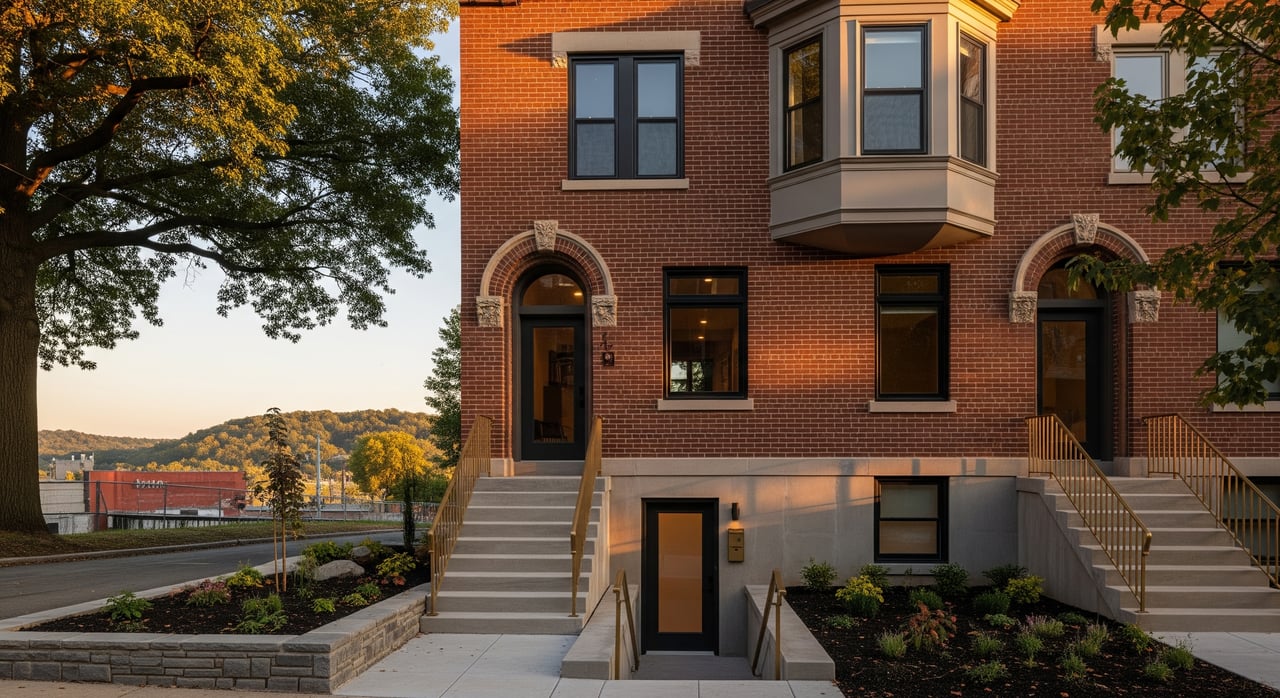
What if your next home in Squirrel Hill or Point Breeze could help pay your mortgage? If you are weighing a move in Pittsburgh’s east end, house hacking can be a smart way to build equity while offsetting monthly costs. In this guide, you will learn which strategies fit each neighborhood, the rules you need to follow, and how to finance a purchase that works for your budget. Let’s dive in.
Why house hack here
Pittsburgh remains relatively affordable compared with many large metros, yet recent years brought noticeable price gains, which points to steady demand and future upside for owners. Local reporting shows home prices rose across the metro in 2024 and 2025. Rents in the east end have also climbed since 2019, with Squirrel Hill averages for common unit types tracking in the mid range for the city, depending on subarea and amenities. You can review a neighborhood rent snapshot on Apartments.com.
Proximity is a big part of the story. East-end neighborhoods sit near major universities and hospitals, which supports year-round rental demand. Squirrel Hill and Point Breeze benefit from closeness to Carnegie Mellon University and employment centers in Oakland and Shadyside.
Squirrel Hill strategies
Squirrel Hill offers a mix of single-family homes, small multi-unit buildings, and classic brick houses that sometimes already include separate lower-level spaces. For house hacking, you typically see:
- Live-in duplex purchases, where you occupy one unit and rent the other.
- Room-rental setups in larger single-family homes near transit or commercial corridors.
- Basement or garage conversions into a permitted accessory dwelling unit, where site and code allow.
Inventory can be tight in high-demand pockets, so it helps to get pre-approved and move quickly. If you plan to rent rooms or a unit, confirm your compliance steps under the city’s Residential Housing Rental Permit Program.
Point Breeze strategies
Point Breeze includes larger, often historic homes and some small multi-unit options. Because purchase prices tend to run higher than many nearby areas, you will want a plan that maximizes income without overbuilding. Common approaches include:
- Creating an in-law suite or ADU within an existing footprint, subject to city rules.
- Renting a portion of a larger home to long-term residents who work at nearby medical or professional centers like UPMC Shadyside.
- Targeting a small multi-unit if you prefer traditional duplex economics.
The payoff can be strong with the right property and finishes, but be realistic about construction timelines and carrying costs during any renovation.
Rules you must know
- Rental registration and inspections. Pittsburgh’s Residential Housing Rental Permit Program applies to long-term and short-term rentals. The program includes registration, inspections on a three-year cycle, and per-unit fees. Review current requirements on the City’s site and monitor enforcement updates on the Rental Registration page.
- ADUs. The city permits accessory dwelling units, with owner-occupancy, height and size limits, and deed restriction steps. Start with the City’s ADU overview and toolkit on the ADU policy page.
- Short-term rentals. Hosting stays on platforms like Airbnb requires the same permit framework and may involve hotel and occupancy taxes. Review platform guidance for Pittsburgh and taxes on Airbnb’s help center, then verify details with the City.
- Property taxes. Allegheny County increased the property tax rate for 2025, which affects monthly carrying costs. See coverage of the county change from Axios, and factor this into your cash flow.
Financing paths that work
- FHA for 2–4 units. FHA allows low down payment for owner-occupied 2–4 unit homes. For triplexes and fourplexes, FHA uses a self-sufficiency test and reserve requirements that can make underwriting tighter. Review FHA guidance on HUD’s site.
- VA for eligible buyers. VA loans can fund 2–4 unit owner-occupied purchases, often with no down payment and no mortgage insurance for qualified veterans. Learn more on VA.org.
- Conventional options. Conventional lenders offer programs for owner-occupied multi-unit and single-family homes, with varying down payment and qualification rules. Lender overlays change, so get a current pre-approval and compare scenarios.
Choose the right property
Use your target renter and your tolerance for renovation to guide your search:
- If you want speed to income, look for a duplex or a single-family with a ready lower-level suite.
- If you value privacy, prioritize a home where you can create a separate-entry ADU that meets code.
- If your budget is tight, focus on smaller footprints and room-rental layouts near transit and amenities.
- If you prefer premium finishes and longer stays, consider larger Point Breeze homes where a well-designed suite can attract professionals.
Your numbers checklist
Model the full picture before you write an offer:
- Mortgage principal and interest under your preferred loan type.
- Property taxes reflecting the 2025 county increase, plus any city or school components. See recent change coverage in Axios.
- Insurance, utilities you will carry, and a maintenance reserve. Many owners set aside 1 to 3 percent of property value per year, depending on age and condition.
- Rental registration and inspection fees under the City program, plus a cushion for any repairs if you do not pass the first inspection. Review requirements on the Rental Registration page.
- A vacancy allowance and management approach, whether you self-manage or hire help.
- Current long-term rent expectations and a conservative view on any short-term rates. For a starting point on Squirrel Hill trends, see Apartments.com’s rent snapshot.
Risks and how to manage them
- Compliance risk. Missing permits or inspections can lead to fines and back-dated fixes. Follow the City checklist and set reminders for renewals.
- Financing risk. FHA self-sufficiency on 3–4 units and lender overlays can change what you qualify for. Solve this with early pre-approval and scenario testing.
- Market risk. Rents and prices can move with interest rates and local demand. Track neighborhood comps and stay conservative in your underwriting. For macro context, review recent price trends.
Next steps
House hacking in Squirrel Hill and Point Breeze can work well if you match the neighborhood, property type, and financing to your goals. Start with a clear plan, a strong pre-approval, and a checklist for permits and taxes. If you want local comps, off-market insight, and a step-by-step plan to get to cash flow, reach out to Thomas Cahill for a consult.
FAQs
Can you house hack near CMU or UPMC?
- Yes. Proximity to major universities and medical centers supports year-round rental demand, particularly for well-located long-term rentals near transit and amenities. See context on Carnegie Mellon University.
Do you need a rental permit in Pittsburgh?
- Yes. The City’s Residential Housing Rental Permit Program covers long-term and short-term rentals and includes registration and periodic inspections. Review requirements on the Rental Registration page.
Are ADUs allowed in the city?
- Yes. Pittsburgh permits ADUs with owner-occupancy and development standards, including height and size limits, plus deed restriction steps. Start with the City’s ADU policy page.
Can you buy a duplex with a low down payment?
- Often yes. FHA allows owner-occupied 2–4 unit purchases with low down payment, but triplexes and fourplexes must pass FHA’s self-sufficiency test. See FHA guidance on HUD’s site.
Are short-term rentals an option?
- Possibly. STRs operate under the same permit framework and may involve hotel and occupancy taxes. Check platform guidance for Pittsburgh on Airbnb’s help center and confirm with the City before you host.