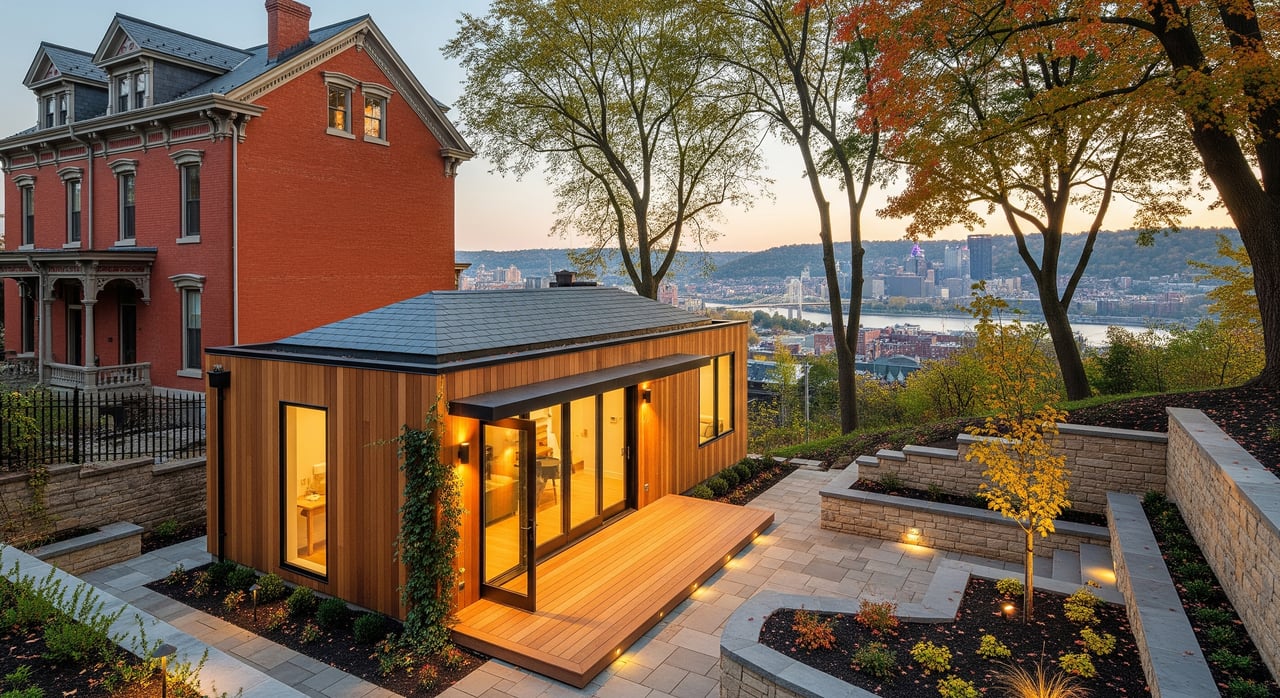
Thinking about adding a backyard cottage, garage apartment, or basement suite to your Pittsburgh home? You are not alone. ADUs are gaining attention across Allegheny County as a flexible way to create space for family, generate rental income, or plan for aging in place. In this guide, you will learn what counts as an ADU, which rules actually govern feasibility today, and what citywide changes are typically proposed. Let’s dive in.
What is an ADU
An accessory dwelling unit is a self-contained home on the same parcel as your primary residence. It includes its own sleeping area, kitchen, and bathroom. ADUs can be attached to the main house or completely detached, and they must meet residential building and life-safety codes.
Building code basics apply to all types. Expect requirements for egress windows, smoke and carbon monoxide alarms, minimum ceiling heights, fire separation between units, and code-compliant electrical, plumbing, and HVAC. Whether an ADU is attached or detached can change fire protection and, in some cases, sprinkler requirements.
ADU types you can consider
- Basement or attic apartment within the existing home.
- Garage conversion, either attached or detached.
- Detached backyard cottage or small house.
- Above-garage unit built over an existing garage.
- Junior ADU created within the main home with a small kitchenette, where allowed.
Each option has different implications for zoning, permitting, and cost. Interior conversions often face fewer site constraints but must meet habitability standards like egress and natural light.
How ADUs are regulated in Pittsburgh
Several local authorities and documents determine what you can build. Start with the City of Pittsburgh Zoning Code and the city zoning map to identify your zoning district and whether an ADU is a permitted use. The Department of City Planning’s Zoning Division can confirm how the rules apply to your lot and whether your project is allowed by right or requires a special approval.
The Department of Permits, Licenses and Inspections enforces the Pennsylvania Uniform Construction Code for building permits, inspections, and the final Certificate of Occupancy. If your property is in a City historic district or has a local designation, exterior work may need approval from the Pittsburgh Historic Review Commission. For taxes and recorded documents, the Allegheny County Bureau of Assessments and Recorder of Deeds are your primary contacts. Utility providers can confirm service capacity and metering options.
Key zoning questions to answer
- Are ADUs allowed by-right in your zoning district, or do they require a hearing or special approval?
- What are the maximum size limits and any percentage caps relative to the primary dwelling?
- What setbacks, lot coverage, height limits, and building separation rules apply to a detached unit?
- Is an additional off-street parking space required, or can it be waived near transit?
- Is owner-occupancy required for either the main home or the ADU?
- How do occupancy limits and unrelated-occupant rules apply to your plan?
Permits and approvals you will need
- Zoning review or a zoning verification confirming the use and basic dimensional compliance.
- Building permit and plan review, plus trade permits for plumbing, electrical, and HVAC.
- Historic district approval if applicable.
- Utility approvals for new or upgraded service, and septic review if you are not on municipal sewer.
- Certificate of Occupancy at completion.
Common constraints to plan for
- Size and design limits. Many cities cap ADU size in the 600 to 1,200 square foot range, or as a percentage of the main house. Detached units often face lower height limits than the primary home.
- Setbacks and lot coverage. Narrow lots and shallow rear yards can constrain detached cottages without a variance. Impervious surface and stormwater rules can also limit buildable area.
- Parking. Some districts require one extra off-street space for an ADU, which can be a challenge on urban lots.
- Utilities and infrastructure. New units can require electrical upgrades and sewer or water capacity checks. On-site septic systems often need testing and may trigger system upgrades when bedrooms are added.
- Historic districts and design review. Exterior changes, garage conversions, or new detached structures can require compatibility review that affects design, cost, and timeline.
- Financing and insurance. Lenders may require permits and proof of code compliance before funding renovation draws. Update homeowners insurance, and consider landlord coverage if you plan to rent.
- Rental rules. Short-term rentals are subject to separate local rules. ADUs may face additional licensing or zoning limits on transient use.
- Accessibility and habitability. Basements must meet egress and ventilation requirements. Minimum room sizes and natural light standards apply.
What a citywide ADU proposal could change
Citywide ADU reforms in many places aim to make small, secondary homes easier to build. If Pittsburgh pursues similar updates, the specifics will come through City Council and the Department of City Planning. Always verify proposal text and status before making commitments.
Typical elements under discussion
- Allowing ADUs by-right in more residential zones to reduce discretionary hearings.
- Relaxing owner-occupancy requirements to broaden eligibility.
- Increasing size caps or allowing a percentage of the main dwelling up to a set maximum.
- Reducing or waiving extra parking requirements, especially near transit routes.
- Streamlining permits with standard checklists and pre-approved plan options.
- Allowing interior and garage conversions without variances when code compliant.
- Using design standards to guide materials and massing rather than prohibitions.
- Adjusting or waiving certain small-unit fees to lower cost barriers.
How reforms could affect you
- Faster approvals. More by-right pathways shorten timelines and reduce hearing risk.
- Lower costs. Fewer parking mandates and clearer standards can reduce soft costs and design iterations.
- Easier financing. Predictable rules can make lenders more comfortable with construction loans and ADU income underwriting.
- Ongoing design considerations. Even with reforms, historic districts and design standards may still shape exterior appearance.
Step-by-step: your Pittsburgh ADU checklist
- Pre-checks and quick calls
- Identify your zoning district on the city zoning map and review the use table for ADU allowances.
- Contact the City of Pittsburgh Department of City Planning Zoning Division to confirm whether ADUs are allowed by-right and to request a zoning verification.
- Check if your property is in a City historic district or subject to any design review.
- Call your utility providers to discuss service capacity and metering. If you rely on septic or a well, contact the Allegheny County Health Department.
- Confirm local enforcement of the Pennsylvania Uniform Construction Code with the building permit office.
- Test feasibility
- Measure the basement, attic, or garage and compare clearances to typical code requirements like ceiling height and egress.
- Map setbacks, lot coverage, height, and any separation rules that would shape a detached ADU.
- Consult an architect or contractor familiar with ADUs in city neighborhoods like Shadyside, Squirrel Hill, and Lawrenceville to test concepts and costs.
- Secure approvals
- Obtain written zoning sign-off or a zoning compliance letter. Identify any variances or hearings early.
- Submit building permit plans addressing life safety, fire separation, and code requirements.
- Apply for historic review if exterior changes are proposed.
- Pull trade permits for plumbing, electrical, and mechanical work.
- Line up financing and protections
- Speak with your mortgage lender about renovation or cash-out options and how ADU rental income is treated.
- Explore HELOCs, home equity loans, renovation loans, or construction loans. Ask about permit contingencies and draw schedules.
- Update homeowners insurance and evaluate landlord coverage if renting.
- Ask the Allegheny County assessor how permitted improvements affect valuation and property taxes.
- Review short-term rental registration rules if you plan to host guests.
Timeline and costs
Expect your timeline to hinge on approvals and construction scope. Zoning review and any required hearings or historic approvals can take weeks to months. Plan review for building permits typically takes weeks, and construction can range from a few months for interior conversions to longer for detached new builds.
Budget for design, permits, utility upgrades, trade work, finishes, and a contingency. Interior conversions are often less expensive than detached cottages. Actual costs vary by site, size, and existing conditions, so early schematic pricing with a local contractor is essential.
Work with a local advisor
ADUs touch zoning, building codes, utilities, taxes, and financing. A clear plan and the right team help you avoid surprises and keep decisions aligned with your goals, whether you live in an urban neighborhood like Point Breeze or Highland Park or in nearby suburbs like Fox Chapel and O’Hara. If you are weighing an ADU to support family, rental income, or resale strategy, let’s talk through your options and timing.
Ready to explore your ADU path in Pittsburgh? Schedule a Consultation with Unknown Company.
FAQs
Are ADUs currently legal in Pittsburgh?
- It depends on your zoning district and project type. Start with the City of Pittsburgh Zoning Code and confirm with the Department of City Planning whether an ADU is allowed by-right on your lot.
Do I need to live on the property if I add an ADU?
- Some jurisdictions require owner-occupancy, and proposals sometimes relax this. Ask the Zoning Division whether owner-occupancy applies to your zoning district.
How big can my ADU be in Pittsburgh?
- Many cities cap detached ADUs between about 600 and 1,200 square feet or as a percentage of the main house. Confirm specific size limits and height caps for your district before designing.
Will I need an additional off-street parking space for an ADU?
- Some districts require one extra space, while reforms often seek to reduce or waive that near transit. Verify your district’s parking standards with zoning staff.
Can I use an ADU for short-term rentals like Airbnb?
- Short-term rental rules are separate and may require registration or may limit use in certain zones. Check the city’s short-term rental requirements before planning transient use.
How will an ADU affect my property taxes in Allegheny County?
- Permitted improvements can trigger reassessment. Contact the Allegheny County Bureau of Assessments to understand how ADUs are valued and how that could change your tax bill.